THE OLD FARMERS ALMANAC Ofa-sp-thyme Seeds 850008688645 Ofa-sp Thyme 160
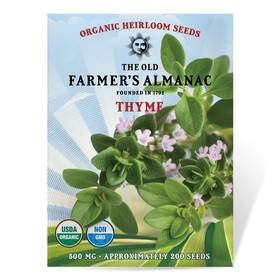
( Brand: The Old Farmers Almanac ), ( Manufacturer Part Number: OFA-SP-THYME ), ( Color: Green ), ( UPC: 850008688645 )
Review THE OLD FARMERS ALMANAC Organic Thyme Seeds Approx 160 Green
Introducing the Farmers Almanac Thyme Seeds, product number 850008688645, a must-have for any herb garden or culinary enthusiast. This approximate 160-seed packet is a testament to the reliability and consistency of Farmers Almanac seeds.
Thyme, a perennial evergreen herb, is renowned for its aromatic, pungent, and slightly sweet flavor. It belongs to the Lamiaceae family and is native to the Mediterranean region. Thyme seeds are tiny, round, and brown in color, with a hard outer shell that ensures their longevity.
The Farmers Almanac Thyme Seeds are non-GMO and non-treated, making them a natural choice for organic gardening. They have a long shelf life due to their carefully selected and processed seeds, which guarantees their viability for up to three years from the date of purchase.
These seeds are easy to sow and grow. They can be started indoors six to eight weeks before the last frost or directly sown in the garden once the soil temperature reaches 60 F (15 C). Thyme prefers well-drained soil and full sun exposure, making it an ideal candidate for a sunny herb garden.
Thyme is a versatile herb, both in the kitchen and in the garden. It pairs well with various dishes, such as roasted meats, soups, stews, and vegetables. Additionally, its delicate, silvery-gray leaves make an attractive addition to herb gardens, rock gardens, and borders.
In summary, the Farmers Almanac Thyme Seeds, product number 850008688645, are a high-quality, non-GMO, and non-treated seed choice for any gardener or cook. With their long shelf life, ease of growth, and versatility, these seeds are a valuable investment for any kitchen or garden.
Considerations Before Buying Thyme Seeds (Farmers Almanac Item #850008688645)
Introduction:Thyme seeds, available through the Farmers Almanac (item #850008688645), can be a great addition to any home garden or culinary endeavor, but it's essential to weigh the pros and cons before making a purchase.
Pros:1. Culinary versatility: Thyme is a popular herb in cooking, particularly in Mediterranean and French dishes. Its delicate, slightly sweet, and slightly minty flavor complements various dishes, from stews and roasts to sauces and soups.
2. Aesthetic appeal: Thyme is a low-growing, evergreen perennial that forms mats of small, gray-green leaves. Its attractive appearance makes it an excellent choice for container gardens, rock gardens, or borders.
3. Easy to grow: Thyme seeds are relatively easy to germinate and grow, especially when started indoors in early spring. They prefer well-drained soil and full sun, making them suitable for various gardening conditions.
4. Cost-effective: Buying thyme seeds allows you to grow your thyme plants from scratch, which can save money in the long run compared to purchasing mature plants.
Cons:1. Time-consuming: Growing thyme seeds from scratch requires patience, as they typically take 1-2 weeks to germinate and up to 3-6 months to reach maturity.
2. Limited yield: Thyme seeds produce relatively few seeds per plant, which may not provide a substantial harvest for larger gardens or commercial use.
3. Potential for poor germination: Thyme seeds can be finicky to germinate, depending on the specific variety and growing conditions. Poor germination can result in a reduced yield or even failure to grow.
4. Disease susceptibility: Thyme is susceptible to various diseases, including powdery mildew and root rot, which can negatively impact the health and yield of your plants.
Conclusion:In conclusion, buying thyme seeds (Farmers Almanac item #850008688645) offers several advantages, including culinary versatility, aesthetic appeal, ease of growth, and cost-effectiveness. However, the process of growing thyme seeds from scratch is time-consuming, and the yield may be limited. Additionally, thyme seeds can be susceptible to diseases, which may impact the health and growth of your plants.
Recommendation:If you are an experienced gardener or have the patience and time to grow thyme seeds from scratch, this option can be a cost-effective and rewarding choice. However, for those with limited time or gardening experience, purchasing mature thyme plants from a local nursery or garden center may be a more practical and reliable solution. Ultimately, the decision depends on your individual gardening goals, resources, and circumstances.
Details:
Water sparingly, at the base of plant, allowing soil to dry out between times. See photos on this page of packet and contents. The Old Farmers Almanac Organic Thyme Seeds - Approx 160 Green:: After optional cold stratification, sow in doors 8-10 weeks before the last spring frost. Transplant hardened 3-4 seedlings to dry, loose soil after the last frost.
Each packet displays the flower, vegetable, plant or herb variety on front with instructions and facts back. Prune the tender, flavorful, stems regularly to encourage growth. Over watering is Thyme's biggest threat. To harvest, snip about half of a tender, non-flowering stem.
This cold stratification improves germination and plant health. Freshly Packed - These seeds are packed for the current growing season and will provide high germination rates next year as well. Thin to 1 plant per pot or space 12-18 apart. Help Thyme reach its potential.
Attract Pollinators Repel Pests - Beyond its culinary, decorative and medicinal uses, Thyme attracts pollinators repels pests. Premium Packaging - All seeds from The Old Farmers Almanac are packaged in individually styled packets ideal for ts, storage or immediate use. For best results place Thyme seeds in the freezer for 2-6 weeks prior to planting. Never cut the heavier wood ed base though.
Press onto soil gently, with only the lightest of covering, to allow light for germination.
specifications herbalremedygi:
- brand: The Old Farmers Almanac
- mpn: Ofa-sp-thyme
- color: Green
- upc: 850008688645
shipping herbalremedygi:
- service: Expedited
- transit: 3-5 Days
- type: Fixed
- class: Expedited
- cost: $0.00
payments herbalremedygi:
- credit card: Visa
- wallet: Paypal
- other
returns herbalremedygi:
- time: 30 Days
- paid by: Seller
- method: Money back
- policy: Returns Accepted
seller herbalremedygi:
- # reviews: 6289
- rating: 99.0%
- city: Saint Petersburg, Florida
offer herbalremedygi:
- started: April 3, 2026
- options: Ship-to-home
- sOld: 0
- quantity: 2
- availability: In Stock
general herbalremedygi:
- Health Beauty > Natural Alternative Remedies > Other Natural Remedies
- condition: New
The Old Farmers Almanac OFA-SP Is Similar To:
- 726084521117 Caleb Treeze Organic Farm Old Amish Stops Leg (31.6% similar) Please understand that some factors like weather, high postal traffic, and The performance of shipping companies are outside our control. Were happy to help. The item is shipped to KY and Then sent rest of world...(August 4th, 2021)
- Caleb Treeze Organic Farm Ctf-00200 Farms Old Amish Muscle Tonic 8 Oz 2 Pack (25.2% similar) Ingredients: balanced mixture of certified organic ingredients...(April 8th, 2025)
- The Old Farmers Almanac 850008688584 Organic Dill Bouquet Seeds Approx Green Yellow (81.3% similar) Product features. Ensure that soil isn waterlogged; but also doesn dry out. Thin plants to 12-18 inches apart after approximately 1 month. Your satisfaction is our #1 priority. The Old Farmers Almanac organic dill bouquet seeds - approx green,yellow: sow bouquet dill seeds in loamy soil with full ...(July 8th, 2025)
- The Old Farmers Almanac 850008688188 Heirloom Organic Cilantro Seeds Slow Bolt Green (70.8% similar) Slow bolt cilantro produces pungent, broad, deep green leaves and stems. Shipping:: shipping is complimentary within The lower 48 us states. The Old Farmers Almanac heirloom organic cilantro seeds slow bolt - green: fresh, strong and spicy cilantro is a classic herb, essential to Mexican, Caribbean ...(July 8th, 2025)
- The Old Farmers Almanac 850008688508 Heirloom 1 Packet 200 Mg Approx 180 Seeds Green (69.6% similar) Rosemary will grow as an evergreen perennial in warm zones. In cool weather zones rosemary can be grown in pots and overwintered in doors or as an annual. These premium, non-GMO, heirloom seeds are packed for The current growing season, ensuring high germination rates your herb garden. All seeds are...(March 3rd, 2026)