DSP-100 Neurophone Flanagan
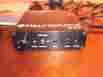
Review Neurophone Flanagan
The DSP-100 Neurophone Flanagan is an innovative and revolutionary hearing device that utilizes bone conduction technology to deliver sound directly to the inner ear. This device is designed for individuals with hearing loss, tinnitus, or those who simply want to experience sound in a unique way.
The DSP-100 Neurophone Flanagan is a lightweight and compact device that fits comfortably behind the ear. It's made of high-quality materials, ensuring durability and comfort even during extended use. The device is equipped with advanced Digital Signal Processing (DSP) technology, which adjusts the sound according to the user's specific hearing needs.
The unique selling point of the DSP-100 Neurophone Flanagan is its bone conduction technology. Instead of transmitting sound through the air like traditional hearing aids, this device transmits sound through the skull, bypassing the outer and middle ear. This method of sound delivery can help some users to hear more naturally and clearly, reducing the perceived 'plugged-up' feeling often associated with traditional hearing aids.
The device also features a rechargeable battery, ensuring long-lasting power. It comes with a charging case for convenient and easy charging on the go. The DSP-100 Neurophone Flanagan is also water-resistant, making it suitable for use in various environments, including during exercise or in rainy weather.
In addition, the device is compatible with Bluetooth, allowing users to connect it with their smartphones, computers, or other Bluetooth-enabled devices. This feature allows users to stream music, podcasts, or phone calls directly to their Neurophone, providing a hands-free and immersive audio experience.
The DSP-100 Neurophone Flanagan is customizable, allowing users to adjust the volume, bass, treble, and other settings according to their preferences. It also comes with a range of ear tips to ensure a comfortable and secure fit for all users.
In conclusion, the DSP-100 Neurophone Flanagan is a state-of-the-art hearing device that offers a unique and natural sound experience. Its advanced technology, customizable features, and sleek design make it an excellent choice for anyone looking for a high-quality hearing solution.
The DSP-100 Neurophone, developed by William T. Flanagan, is a device that claims to directly stimulate the auditory nerve without the need for an eardrum or middle ear. Here are some pros and cons to consider before making a purchase:
Pros:1. Unique Technology: The DSP-100 Neurophone is based on a unique technology that bypasses the outer and middle ear, making it potentially useful for people with hearing loss or ear problems.
2. Portable: The device is small and portable, making it easy to carry around.
3. No Ear Involvement: Since it doesn't require the ear, it may be less prone to issues like damage, wax buildup, or age-related hearing loss.
Cons:1. Limited Sound Quality: Users have reported that the sound quality is not as good as conventional hearing aids or headphones. The sound is often described as "tinny" or "electronic."
2. Expensive: The DSP-100 Neurophone is more expensive than traditional hearing aids and may not be covered by insurance.
3. Limited Availability: The device is not widely available, and there are limited options for customization or adjustment.
4. Scientific Controversy: Some experts question the effectiveness and safety of the Neurophone, as the technology is not widely accepted in the scientific community.
Conclusion:The DSP-100 Neurophone offers a unique approach to hearing, bypassing the ear altogether. However, its high price, limited availability, and questionable effectiveness make it a less attractive option for many people with hearing loss. If you're considering the Neurophone, it's important to do thorough research and consult with a healthcare professional to understand if it's the right choice for you.
Recommendation:If you're looking for a device to improve your hearing, I would recommend exploring traditional hearing aids first. They are widely available, have been scientifically proven to be effective, and are often covered by insurance. If you've tried traditional hearing aids and are still unhappy with the results, you might consider the DSP-100 Neurophone as a potential alternative, but remember to weigh the pros and cons carefully.
Details:
This model is no longer being manufactured. Only used a handful of times. The head band is missing which is required to hold the electrodes on the head. Very rare, this model of the neurophone dates back to around 2002 or neurophone works and is fully functional.
part #: dsp-100 prices
- $349.97-$649.00
specifications herbalremedygi:
General herbalremedygi:
- in stock: Yes
- condition: Used
- Health & Beauty > Natural & Alternative Remedies > Other Natural Remedies
Returns herbalremedygi:
- policy: no returns
Shipping herbalremedygi:
- type: Flat
- handling: 2 days
- cost: $15.0
Payments herbalremedygi:
- PayPal
Ratings:
- excellent 06-12-16
- Great communication. A pleasure to do business with. 06-13-16
- Hope to deal with you again. Great buyer, prompt payer! Thank you. 06-20-16
- Very fast shipping for size, as describe, Great price!! Thank you AA++ 06-08-16
- Excellent Buyer! Fast payment! 06-11-16
Offer herbalremedygi:
- # bids: 0
- best offer: true
- Started: June 28, 2016, 6:28 am
- quantity: 1
- # Sold: 0
Seller herbalremedygi:
- zipcode: 60139
- city: Glendale height, Illinois