ZELLAJAKE Myrrh Incense Christmas Gum High OZ...1LB 1/2
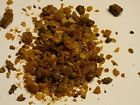
( Brand: Zellajake ), ( Part Type: Gum ), ( Country/region Of Manufacture: Ethiopia )
Review ZELLAJAKE Oz. 1lb Myrrh Incense Bulk Pieces 1/2 Christmas Gum Wholesale Grade High
Introducing our exquisite Oz. to 1lb Myrrh Incense, a perfect addition to your holiday decor and spiritual practices. This high-quality incense is meticulously crafted with 100% natural Myrrh resin, a fragrant and aromatic gum derived from the Commiphora tree.
The Myrrh Incense has a rich, earthy, and slightly sweet scent that is reminiscent of the biblical frankincense. It is known for its calming and grounding properties, making it an excellent choice for meditation, yoga, or any other moment of relaxation. The fragrance is strong yet subtle, filling your space with a pleasant and uplifting aroma.
Each stick of this incense is hand-rolled with care, ensuring that every piece is uniform in size and shape. The incense sticks are long-lasting, providing a steady and consistent burn that releases the fragrance gradually, filling your room with a soothing aroma.
The Myrrh Incense is not just a fragrance, but also a symbol of reverence, respect, and love. It has been used in religious ceremonies and rituals for centuries, and is believed to have healing properties.
This Oz. to 1lb Myrrh Incense comes in a beautiful and elegant packaging, making it an excellent gift for loved ones or a thoughtful addition to your own collection. The packaging is designed to keep the incense sticks fresh and protected, ensuring that you can enjoy their aroma for a long time.
In conclusion, our Oz. to 1lb Myrrh Incense is more than just a fragrance, it's an experience. Its rich, earthy scent, long-lasting sticks, and high-quality natural ingredients make it an excellent choice for anyone looking to add a touch of sophistication and spirituality to their home.
Pros of buying 1 oz/1 lb Myrrh Incense (Christmas Gum High):1. Aromatherapy benefits: Myrrh incense is known for its calming and soothing properties, which can help reduce stress and improve mood.
2. Long-lasting fragrance: Compared to other types of incense, myrrh incense has a long-lasting fragrance that can fill a room for hours.
3. Versatile use: Myrrh incense can be used for various purposes, such as meditation, spiritual practices, and home decoration.
4. Natural and organic: Myrrh incense is made from natural resin, which is free from harmful chemicals and additives.
Cons of buying 1 oz/1 lb Myrrh Incense (Christmas Gum High):1. Cost: Myrrh incense can be more expensive than other types of incense.
2. Smoke: Myrrh incense produces smoke, which may not be suitable for people with respiratory issues or allergies.
3. Storage: Myrrh incense should be stored in a cool and dry place to prevent it from melting or becoming brittle.
Conclusion:1 oz/1 lb Myrrh Incense (Christmas Gum High) is a high-quality product that offers numerous aromatherapy benefits and a long-lasting fragrance. However, it may be more expensive than other types of incense and produce smoke, which could be a concern for some people. If you are looking for a natural and organic incense option for meditation, spiritual practices, or home decoration, Myrrh Incense (Christmas Gum High) could be a great choice.
Recommendation:If you are new to incense, I recommend starting with a smaller quantity (e.g., 1 oz) to see if you like the fragrance and aromatherapy benefits. Once you are familiar with the product, you can consider buying a larger quantity (e.g., 1 lb) to save money in the long run. Additionally, make sure to store the incense properly to ensure its longevity and quality.
Details:
Myrrh is most commonly used in Chinese medicine for rheumatic, arthritic, and circulatory problems. However, when her father learnt of her deception he was appalled and banished her. It is also used in various perfumes, toothpastes, lotions, and other modern toiletries. Myrrh is used more frequently in Ayurveda, inane medicine, and western herbalist, which ascribe to it tonic and rejuvenate properties.
Researchers at the university of Florence Italy showed that frontiersman 1,3 dine and another deepen in the myrrh affect opioid receptors in the mouse's brain which influence pain perception. A related species, known as giggly in Ayurveda medicine is considered one of the best substances for the treatment of circulatory problems, nervous system disorders and rheumatic complaints. Taking pity on her, a god transformed her into a tree hearing a child cry within the tree, some passersby delivered her baby Adonis, who was later the consort of Venus.
Myrrh has also been recommended to help toothache pain, and can be used in liniment for bruises, aches and sprains. Myrrh is a reddish brown resinous material, the dried sap of a number of trees, but primarily from camphor myrrh, which is native to Yemen, Somalia, the eastern parts of ethiopia, and camphor gladness, which is native to Jordan.
However, the best method of judging the resin's quality is by feeling the stickiness of freshly broken fragments directly to determine the fragrant oil content of the myrrh resin. Myrrh and aloe gums effectively improved glucose tolerance in both normal and diabetic rats. Myrrh is currently used in some liniments and healing salves that may be applied to abrasions and other minor skin ailments.
Myrrh was shown to produce analgesic effects on mice which were subjected to pain. Archaeologists have found at least two Ontrac from Malta from new kingdom Egypt, ca.
He also says myrrh was used to fumigate wine jars before bottling. The name myrrh is also applied to the potherb myrrh's odored otherwise known as nicely or sweet nicely. In pharmacy, myrrh is used as an antiseptic and is most often used in mouthwashes, gargles, and toothpastes for prevention and treatment of gum disease. Myrrh was used as an embalming ointment and was used, up until about the 15th century, as a penitential incense in funerals and cremations.
Myrrh also has been used in the treatment of , , menopause, and uterine tumors, as its blood moving properties can purge stagnant blood out of the uterus. This story of myrrh's origin is preserved in Ovid's metamorphoses. In Chinese medicine, myrrh is classified as bitter, spicy, neutral in temperature and affecting the heart, liver, and spleen meridians.
Unlike most other resins, myrrh expands and blooms when burned instead of melting or liquefying. In ancient Rome myrrh was priced at five times as much as frankincense, though the latter was far more popular.
High quality myrrh can be identified through the darkness and clarity of the resin. The holy oil traditionally used by the eastern orthodox church for performing the sacraments of Christian and unction is traditionally scented with myrrh, and receiving either of these sacraments is commonly referred to as receiving the myrrh. The Greek word for myrrh, came to be synonymous with the word for perfume. Myrrh dandify is used in many Ramayana formulas in Ayurveda.
However Ramayana herbs have special processing. Pliny the elder refers to myrrh as being one of the ingredients of perfumes, and specifically the royal perfume of the Parthia's. It is also used in the production of ferret. That were lined with a shiny black or dark brown deposit that analysis showed to be chemically closest to myrrh.
The sap of a number of other camphor and species is also known as myrrh, including that from camphor urethrae sometimes called east Indian myrrh, camphor and KIA. When burned, it produces a smoke that is heavy, bitter and somewhat phenol in scent, which may be tinged with a slight vanilla sweetness. Today myrrh is used for its antimicrobial properties.
History the ancient Egyptians imported large amounts of myrrh as far back as 3000 b. Outside of this form myrrh is said to be contraindicated for pregnant women or women with excessive uterine bleeding, and not be used with evidence of kidney dysfunction or stomach pain. In an attempt to determine the cause of its effectiveness, researchers examined the individual ingredients of an herbal formula used traditionally by Kuwaiti diabetics to lower blood glucose to 1350 b. Its name entered English via the ancient Greek, which is probably of Somali or Arabic origin, where it is known as mire.
The Romans were known to use myrrh as a premier additive to wine. It is combined with such herbs as , safflower stamens, angelica saneness, cinnamon, and saliva , usually in alcohol, and used both internally and externally. Myrrh was burned in ancient roman funerals to mask the smell emanating from charring corpses. The scent of raw myrrh resin and its essential oil is sharp, pleasant, somewhat bitter and can be roughly described as being stereotypical resinous.
When used in concert, myrrh is blood moving while frankincense moves the IQ, making it more useful for arthritic conditions. In ancient history myrrh was used as a constituent of perfumes and incense, was highly valued in ancient times, and was often worth more than its weight in gold. Mythology in ancient Greece and Rome, a popular myth told the story of myrrh, a young woman who was afflicted by the gods with an incestuous love of her father.
Her old nurse helped her seduce him in darkness, and she fell pregnant. As of 2008, 35 of Saudi Arabians use myrrh as medicine. It was said that the roman emperor Nero burned a year's worth of myrrh at the funeral of his wife, poppa. They used it to embalm the dead, as an antiseptic, and burned it for religious sacrifice.
The sap from which myrrh is derived is said to be the tears of the transformed myrrh.
specifications herbalremedygi:
- brand: Zellajake
- part type: Gum
- country/region of manufacture: Ethiopia
Returns:
- paid by: Seller
- policy: returns accepted
- type: Money Back
- time: 14 Days
Payments:
- PayPal
Seller:
- city: Sanford, Florida
- zipcode: 32773
Shipping:
- type: Flat
- handling: 2 days
- cost: $0.0
Offer:
- # Sold: 0
- # bids: 0
- Started: July 28, 2015, 4:05 pm
- best offer: false
- quantity: 135
Ratings:
- Great Seeds, Super Fast Germination!!! Thanks!!! 07-28-15
- Great Seeds, Fast Germination!!! Thanks!!! 07-28-15
- Great Seeds, Thanks!!! 07-28-15
- Everything was Outstanding, Thanks So Much!!! 07-28-15
- Thank you!: 07-28-15
General:
- Health & Beauty > Natural & Homeopathic Remedies > Herbal
- condition: New
- in stock: Yes